Sustain · Operational Transformation
Operational Transformation
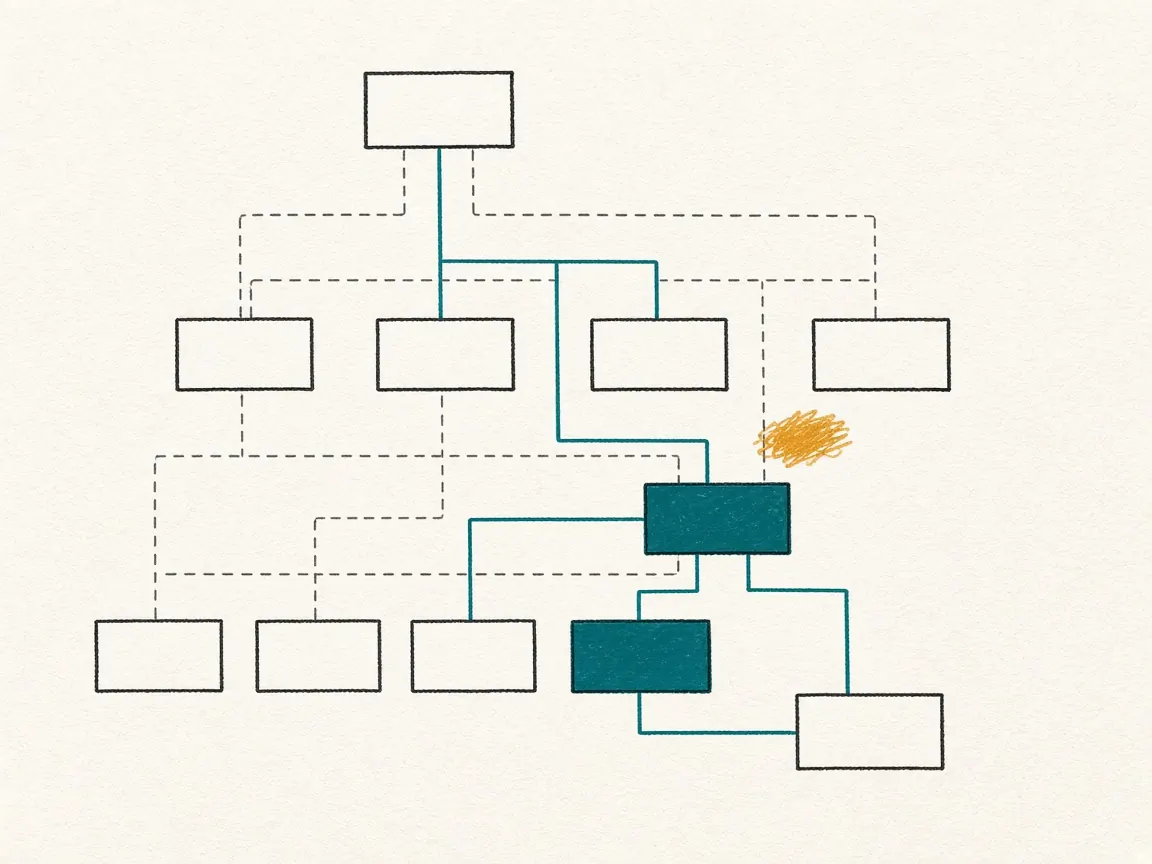
Sometimes the problem is not a tool. It is how the company is organized around the tools. We redraw the operating model, sequence the change by risk, and deliver the first phase with your leaders.
When it fits and when it doesn't
When it fits
- Multiple overlapping systems, redundant processes, and unclear ownership across teams.
- Post-acquisition integration where two operating models have to become one.
- Leadership knows operations are holding growth back and cannot point to a single cause.
When it doesn't
- One system or one handoff is the problem. A smaller project will get you there faster.
- You want an org chart redesign without touching workflows or systems. The three move together here.
How it runs
What a typical engagement looks like.
Typical, not promised. The shape is set with you once we have seen the stack.
- Cadence
- Assessment across teams, then design sessions with the leadership group, then phased delivery with a review at each gate.
- Who is involved
- The executive sponsor, the leaders of the affected functions, and the people who will own each system in the new model.
- How it ends
- With the first phase live, owners named, measures in place, and a plan for the remaining phases your team can carry.
What you get.
- Operating-model assessment across people, workflows, and systems
- Target operating model and phased plan
- First phase delivered, with owners and measures
- Change plan and communication the leadership team can run
Questions we get about this
How is this different from hiring a COO?
It is complementary. Many clients hire a senior operations leader during or after the work and use the operating model as the blueprint they inherit.
How do you handle resistance to change?
By involving the people who do the work in the design, sequencing phases so early changes remove real pain, and naming owners before anything switches.
Does this always mean new systems?
No. Often the systems stay and the ownership, the handoffs, and the measures change. New tools come in only where the model needs them.
Next step