Build · Implementation Support
Implementation Support
Implementation is where most projects stall: the plan is sound, the tool is chosen, and then rollout drifts. We configure, integrate, and troubleshoot next to the people who will own the system.
When it fits and when it doesn't
When it fits
- A CRM, UCaaS, or operations platform is bought and the rollout has no owner.
- A migration between systems where data integrity matters.
- A tool with low adoption that needs reconfiguration around the real workflow.
When it doesn't
- The platform decision is still open. Start with Strategic Advisory or the assessment.
- You want a vendor's standard install with no workflow changes. The vendor can do that.
How it runs
What a typical engagement looks like.
Typical, not promised. The shape is set with you once we have seen the stack.
- Cadence
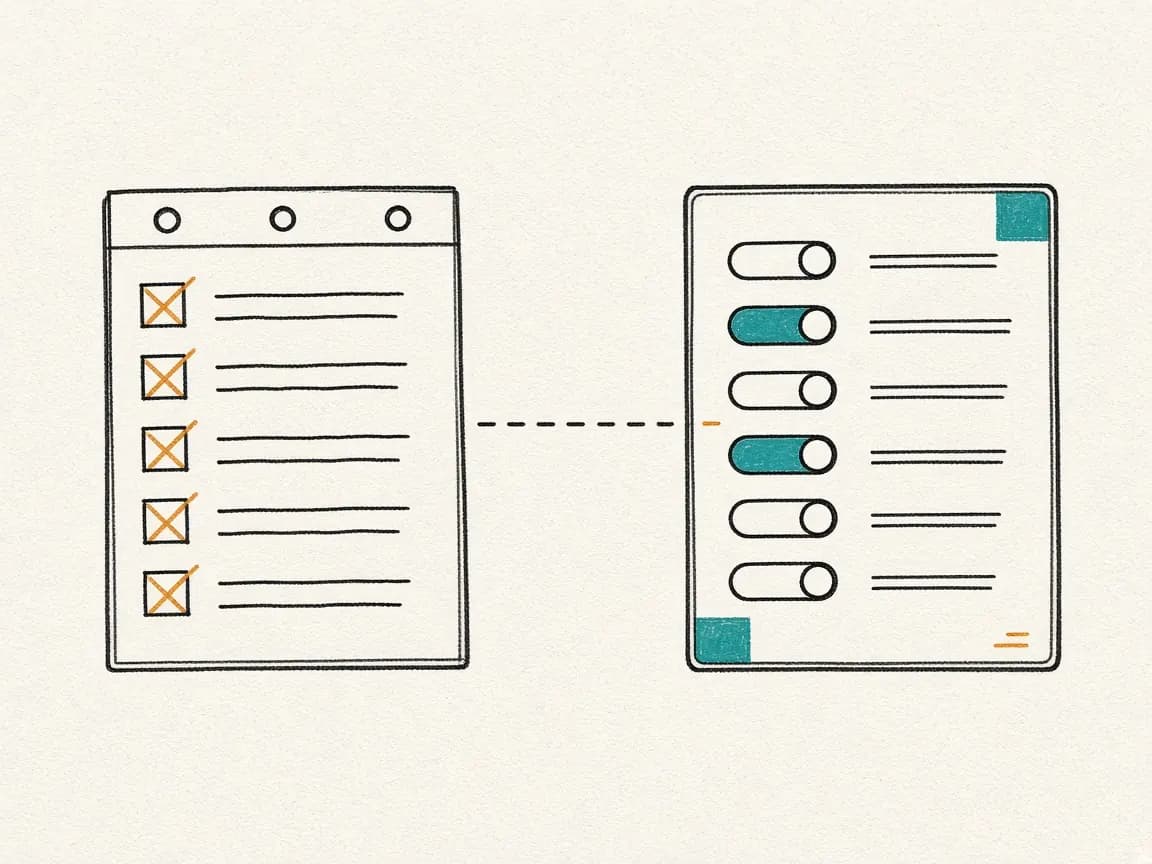
- Working sessions several times a week during configuration, with a shared checklist both teams can see. Lighter after go-live.
- Who is involved
- An implementation lead from EDGE, the system owner on your side, and the people who will use the system first.
- How it ends
- Go-live on a date agreed with the people affected, an overlap window where it matters, and a handover to the owner on your side.
What you get.
- Configuration built to your workflow, documented
- Integrations to the systems that must share data
- Data migrated and checked
- Go-live checklist and a post-launch fix list
Questions we get about this
Which platforms do you implement?
Communications, CRM, automation, and the integrations between them. We work in the platform that fits your workflow rather than a single vendor's stack.
We already bought the tool and nobody uses it. Is that this?
Yes, and it is common. We find where configuration, workflow, or training broke, and fix the one that is actually in the way.
What about custom integrations or internal tools?
They are scoped inside the same engagement when a platform does not cover the step. The build stays tied to the operating decision it serves.